



Most custom applications fall between $50,000 and $250,000 depending on scope and complexity, with enterprise-grade platforms regularly exceeding $500,000. Simple MVPs built with offshore teams can come in under $30,000, but that figure rarely survives contact with real product requirements.
Top 10 software development companies in the USA
 22 minutes read
Content
The United States is the most expensive software development market in the world and client expectations are equally demanding.
Most companies claim to offer everything, yet frequently lack the specific expertise and talent to back it up. The best development partners for USA companies are not necessarily those physically located there, but those with the expertise, market fluency, and strategic orientation to match the USA’s diverse and fast-moving business environment.
The ten companies on this list have been operating in the US market for years and in some cases decades. They are not just strong engineering teams; they are business-oriented strategists with a deep understanding of the region, its industries, and its standards. If you need a vendor capable of operating as a true partner, any one of them is worth a serious look.
The state of the US tech market
The United States generates more software revenue than any other country in the world – around $353.5 billion in 2024 – and the market shows no sign of slowing.
The USA software market is projected to reach $379.3 billion by 2025 and grow to $444.6 billion by 2029, driven by accelerating enterprise digitization, cloud adoption, and AI integration across every major industry. The USA tech workforce hit 9.6 million in 2024 and is forecast to grow to 9.9 million in 2025, with software developer roles projected to grow at more than twice the rate of overall employment over the next decade.
What is challenging?
Despite the scale and momentum, the USA market is beset by a structural mismatch between demand and available talent. 64% of IT software development services leaders cite labor-market gaps as the biggest blocker to organizational transformation. The shortage is sharpest precisely where demand is growing fastest: AI engineering, cybersecurity, and cloud architecture.
Compounding this, the post-2022 Big Tech correction has left the hiring market uneven: active job postings remain well below 2022 peaks, in some cases down by as much as 90% at large tech companies, while smaller firms and non-tech industries scramble for the same shrinking pool of qualified engineers. The result for development companies in USA seeking development partners is a market where claimed expertise is abundant and genuine depth is rare, and where USA-based rates have continued to rise even as delivery quality has become harder to guarantee.
What is promising?
The response from the market has been a decisive shift toward global delivery models. 72% of businesses now outsource application and software development, and the logic is increasingly hard to argue with: Eastern European and Latin American engineering talent operates at 40–60% of USA rates with comparable technical depth, and the timezone and communication challenges that once made offshore delivery difficult have been substantially reduced by better tooling, more experienced distributed teams, and a post-pandemic normalization of remote work.
The best development partners for USA companies today are not necessarily those with USA zip codes, but those with the expertise, market fluency, and track record to operate as genuine strategic partners, wherever they are based.
Our ranking methodology: How do we chose the best software development companies in USA?
Every company on our list of software development companies in USA was evaluated against a consistent set of criteria. The goal was to identify vendors that genuinely serve the States market well.
Track record and longevity were the starting point. We looked for software companies in United States with demonstrable histories of delivering complex software projects for USA clients, prioritizing those with verifiable case studies, named client references, and multi-year engagement patterns over firms whose portfolios are heavy on logos and light on detail.
Technical depth and specialization were assessed by service offering, technology stack coverage, cloud and security certifications, and – where available – the seniority and retention rates of engineering staff. A vendor that can speak concretely to how it handles architecture decisions, code review, QA, and DevOps is meaningfully different from one that lists every technology on its services page without evidence of depth.
Client feedback and reputation were drawn from independent review platforms including Clutch, G2, and GoodFirms, weighted toward reviews that described specific project outcomes rather than general satisfaction. We also considered patterns across reviews of software development companies USA, since consistency matters more than a handful of exceptional engagements.
Pricing transparency and engagement model flexibility were factored in as practical considerations for USA buyers. Vendors that offer clear rate ranges, defined engagement structures, and straightforward contract terms score better than those whose pricing requires an extended sales process to understand.
USA market orientation, including timezone coverage, English communication standards, USA-side account management, and familiarity with USA legal and compliance requirements was treated as a baseline requirement. Every company on this list meets it; the rankings reflect how well they perform above that floor.
Top 10 software development companies operating in the USA
Blackthorn Vision
Type: Custom software development
HQ: Ukraine (US clients via remote delivery), Wroclaw
Blackthorn Vision is a software development firm that has built a strong reputation for long-term client partnerships. Its average client satisfaction score is 95% with most projects lasting longer than five years. The company serves startups and enterprises across healthcare, fintech, biotech, energy, oil & gas, and travel, covering the full development lifecycle from product discovery and UX design through implementation and post-launch optimization.
What distinguishes Blackthorn Vision culturally is a deliberate emphasis on direct engineer-to-client communication. The company maintains 87% engineer retention, and has 1 in 5 employees engaged for seven or more years – metrics that translate into stable, experienced teams for clients. Engagements run as dedicated teams or fixed-scope product development, with rates competitive for Eastern European talent.
Our work
Real project: ML-powered diagnostics platform for US biotech — Selux Diagnostics
How Blackthorn Vision augmented Selux’s engineering team to build life-critical software that accelerates antibiotic susceptibility testing for patients worldwide.
The challenge
Selux Diagnostics — a US biotech tackling the global antimicrobial resistance crisis — needed a software partner to expand their Site Software platform under extremely tight timelines. The system had to integrate with hospital Lab Information Systems, guide lab technicians through sample preparation, run ML algorithms on instrument data in real time, and deliver clinically relevant results for life-critical treatment decisions.
What we built
Blackthorn Vision embedded dedicated developers directly into Selux’s team, working under their Director of Software and Head of Algorithm and Data Science. We delivered ML infrastructure in Python, LIS database interfaces, full UI implementation, and the complex result-review workflows that allow clinicians to identify bacterial resistance patterns that may threaten patient outcomes or public health.
Tech stack
Python
ML algorithms
Angular
.NET Core
Azure
LIS integration
SQL
Key deliverables
ML infrastructure for real-time AST analysis
LIS database interface for orders & results
Guided sample preparation workflows
Clinical result review & resistance reporting
Admin tools for IT and lab management
“Blackthorn resources are embedded in our team and serve as an extension to our workforce. During the inevitable crunch periods Blackthorn was able to rapidly increase our access to a skilled resource pool on a temporary basis to meet important milestones.”
Outcome: The platform now powers Selux’s Next Generation Phenotyping System — a rapid antibiotic susceptibility testing solution designed to combat antimicrobial resistance and enable personalized therapies for patients in need across the US and beyond.
Building complex software for a US market? We’ve done it.
From biotech and healthcare to energy and fintech — we work as an embedded part of US teams, not a distant outsourcer. Tell us what you’re building.
Brights
Type: Custom software development agency
HQ: Ukraine, Warsaw
Brights integrates UX research, UI design, and product thinking alongside its development work, making it a more complete partner for companies building consumer-facing or SaaS products. The team of around 100 in-house specialists covers web and mobile development, SaaS platforms, enterprise software, AI/ML, cloud migration, and QA, with particular depth in fintech, insurtech, supply chain, retail, and media.
Brights has delivered 300+ projects across 15+ countries and maintains an 89% client retention rate. The engagements run fixed-price or time-and-materials depending on project maturity.
Strengths: Quality/cost ratio, design capability, agile delivery for product companies.
EPAM Systems
Type: Large enterprise consultancy
HQ: Newtown, PA (operations globally, heavy Eastern European engineering base)
EPAM is the heaviest hitter on this list of top software development companies in USA. With tens of thousands of engineers and a history rooted in Eastern European talent (Ukraine, Poland), it serves Fortune 500 clients across financial services, healthcare, retail, and media. EPAM offers end-to-end digital transformation, AI/ML, cloud, and product engineering. Its quality is generally considered very high, and it has deep expertise in complex enterprise systems. Best suited for large organizations with complex, long-running programs.
Strengths: Scale, enterprise credibility, deep technical bench, strong QA culture
BairesDev
Type: Nearshore/offshore staff augmentation & project delivery
HQ: San Francisco, CA (teams across Latin America)
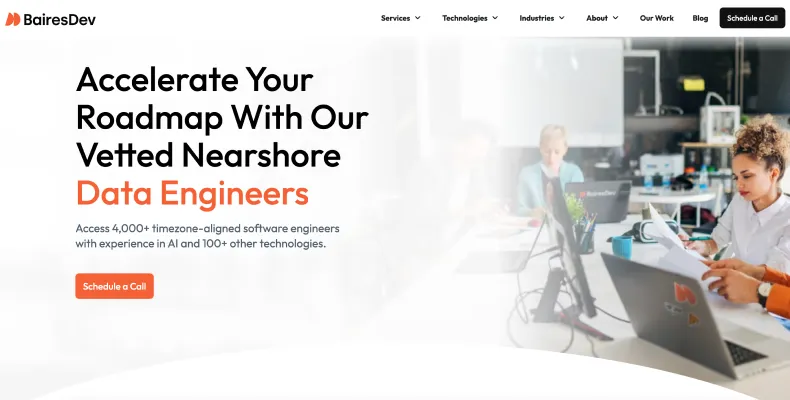
BairesDev is one of the largest Latin American software outsourcing firms, employing several thousand engineers primarily in Argentina, Brazil, Colombia, and Mexico. It markets heavily on talent quality, claiming to hire only the top fraction of applicants, and offers timezone-compatible coverage for US clients. Services at this software development company in USA range from staff augmentation to full project delivery. Pricing is competitive relative to US rates, making it attractive for cost-conscious mid-market and enterprise clients.
Strengths: Timezone alignment with US, large talent pool, competitive pricing, broad tech coverage
ScienceSoft
Type: Full-service IT consultancy
HQ: McKinney, TX (development teams in Eastern Europe)
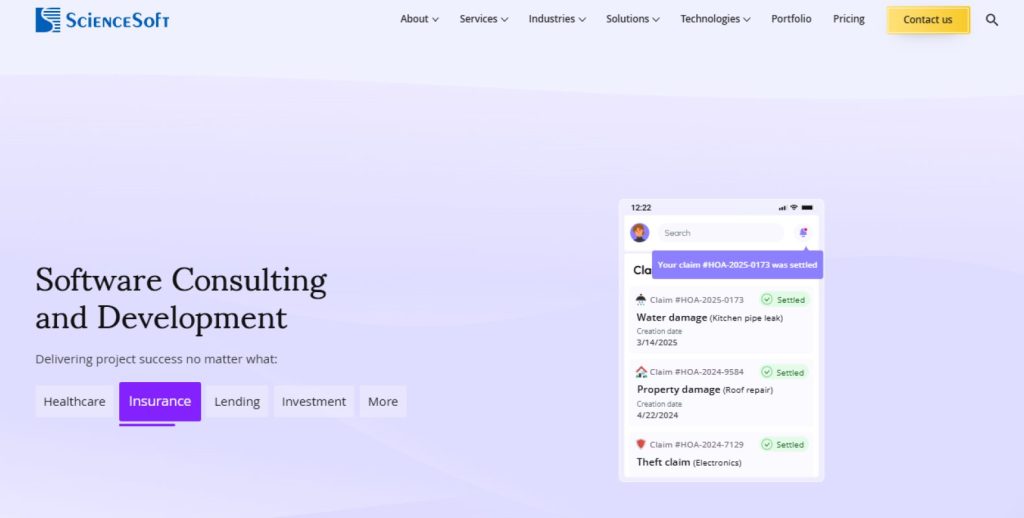
ScienceSoft has been around since 1989 and offers a broad range of services: custom software development services, IT consulting, cybersecurity, data analytics, and ERP/CRM implementation. It serves mid-market and enterprise clients in healthcare, retail, banking, and manufacturing. Its long operating history gives it deep domain knowledge in several verticals. Rates are moderate and the company has earned ISO certifications and Microsoft/AWS partnerships that lend it enterprise credibility.
Strengths: Long track record, broad service catalog, vertical domain expertise, compliance-oriented.
Intellectsoft
Type: Custom software development & consulting
HQ: Palo Alto, CA (delivery in Eastern Europe & Asia)
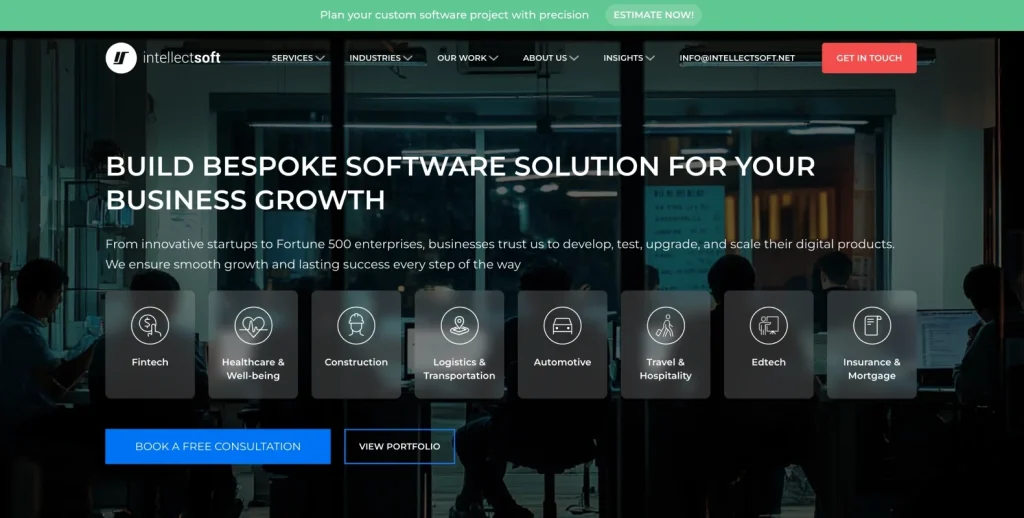
Intellectsoft targets enterprise and mid-market clients and positions itself around emerging technologies such as AR/VR, blockchain, AI, and IoT alongside more conventional web and mobile development. It has worked with recognizable brands and government clients.
The company is a solid choice for organizations that want a consultancy with a technology-forward narrative and a California address, while leveraging offshore delivery economics.
Strengths: Emerging tech focus, enterprise client references, US-facing account management
Simform
Type: Product engineering & staff augmentation
HQ: Ahmedabad, India (US offices in Florida)
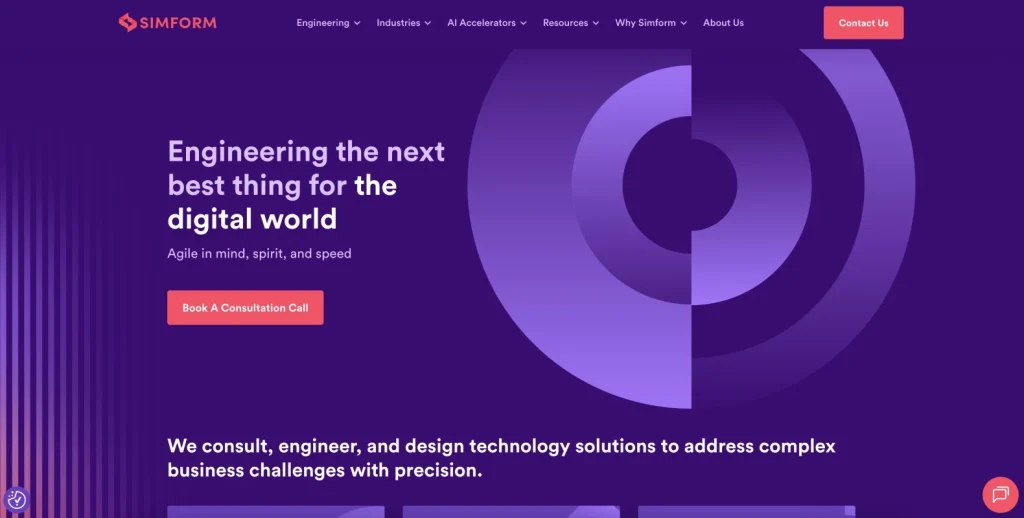
Simform is a mid-sized Indian software company with a strong emphasis on cloud-native development, DevOps, and digital product engineering. It has grown its US client base significantly and is a certified AWS and Google Cloud partner. Simform tends to work well with funded startups and mid-market product companies looking for a reliable long-term engineering partner. Its pricing is competitive due to Indian delivery rates, and it has invested in strong US-side client management.
Strengths: Cloud expertise, startup/scaleup experience, strong partner certifications, cost-effective
Rootstrap
Type: Digital product studio
HQ: Los Angeles, CA (teams in Latin America)
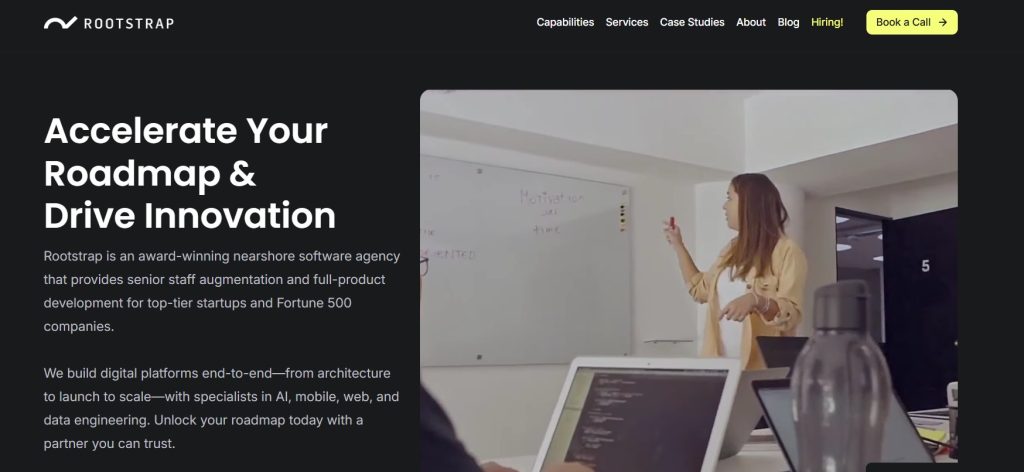
Rootstrap occupies an interesting niche: it blends strategy, UX, and engineering with a product studio mentality. It has worked with notable clients including Google and MasterClass, and is particularly well regarded in the startup and media/entertainment space. The company emphasizes strategy and discovery work before jumping into development, which suits clients who need a thought partner rather than just execution. Nearshore Latin American teams provide good timezone coverage for US clients.
Strengths: Product thinking, strong UX/design, startup credibility, nearshore delivery.
Designli
Type: Mobile & web app development studio
HQ: Greenville, SC (US-based)
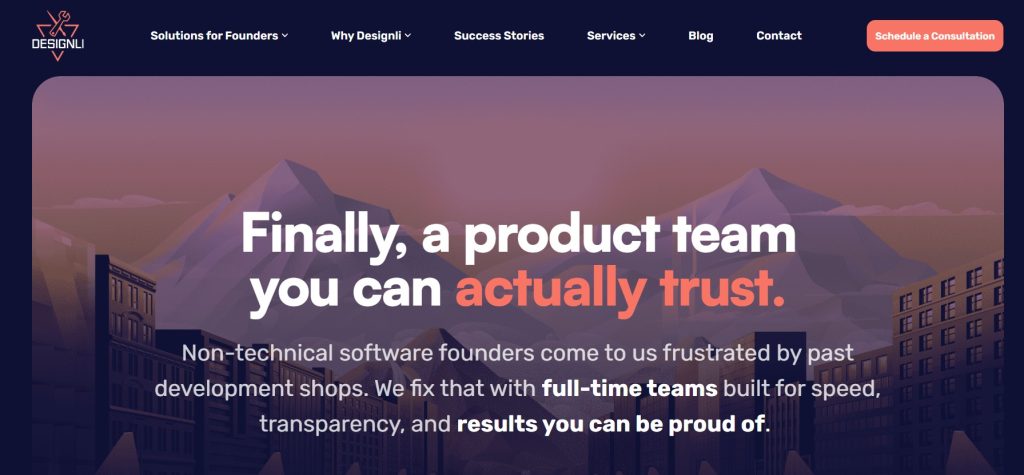
Designli is a US-based boutique app development studio that focuses almost exclusively on building MVPs and early-stage digital products for startups and entrepreneurs. Its IdeaMap process is designed to help non-technical founders define and scope their product before development begins. It is one of the few fully US-based options on this list, which appeals to clients who prioritize domestic teams, IP protection, and close collaboration without timezone friction. Rates are higher than offshore/nearshore options, but competitive for a US shop.
Strengths: US-based team, startup/MVP focus, strong discovery process, good for non-technical founders
Utility
Type: Digital product agency
HQ: New York, NY (offices in NY and LA)
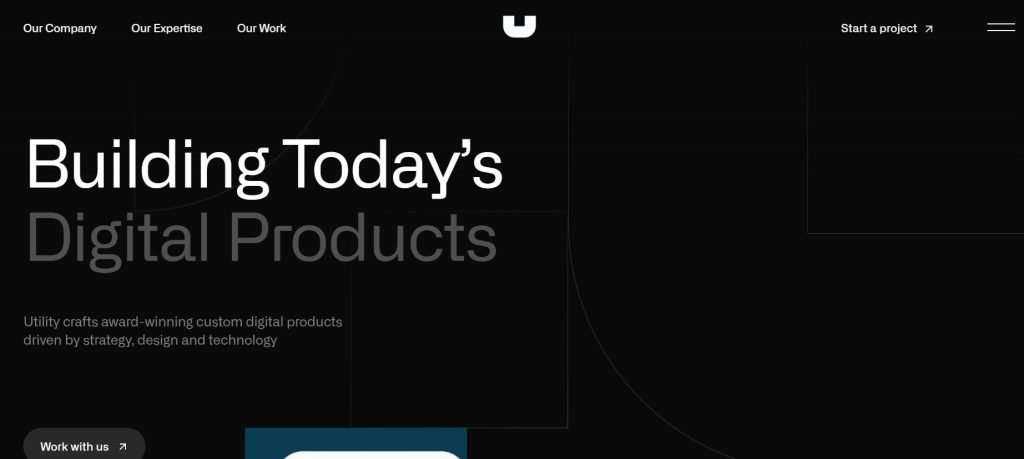
Utility is a New York-based digital product agency founded in 2013. With offices in New York and Los Angeles, Utility specializes in custom mobile app development, web platforms, and digital experiences for enterprise brands and venture-backed startups. Its client portfolio includes Airbnb, Coca-Cola, Samsung, the NBA, Forbes, Shake Shack, and Verizon.
The agency is design-led and product-focused, emphasizing strategy and UX before jumping into development. Services span native iOS and Android, web application development, UX/UI design, and AI-powered solutions. As a lean US-based boutique, pricing is premium, but it reflects a senior team with genuine brand credibility and a New York creative sensibility.
Strengths: Enterprise brand portfolio, design-led approach, US-based senior team, strong mobile and digital product pedigree, credible at both startup and enterprise scale
How to choose the right software development partner
Selecting a software development partner is one of the most consequential decisions a technology leader or founder will make. Beyond comparing company profiles and pricing, there are four dimensions that consistently separate successful partnerships from disappointing ones.
Start by clearly defining your goals
Before evaluating any vendor, get clarity on what you are actually asking them to do. There is a significant difference between needing a team to execute a well-defined backlog, needing a partner to help figure out what to build in the first place, and needing to augment an existing internal team with specific skills.
Also define your success metrics before starting vendor conversations. Is it shipping a specific feature by a deadline? Achieving a particular uptime SLA? Reducing infrastructure costs by a percentage? Vendors who understand your definition of success from day one will structure their team and process around the outcomes that matter to you, rather than defaulting to their standard delivery playbook.
Strive to the maximum cultural fit
Cultural fit is frequently dismissed as a soft consideration, but it is one of the most reliable predictors of partnership quality over a multi-month or multi-year engagement. A technically strong team that communicates poorly, avoids difficult conversations, or defaults to telling clients what they want to hear will consistently underdeliver relative to a slightly less impressive team that operates with transparency and directness.
A useful interview test: ask prospective vendors to describe a project that went wrong and how they handled it. A candid, specific answer that includes their own missteps is a good sign.
Timezone and language are a practical subset of cultural fit that deserve honest assessment. A 12-hour time difference is manageable for async workflows (code reviews, written specs, design feedback) but becomes genuinely problematic for fast-moving product teams that rely on real-time decisions. Be honest about how your team actually works before assuming an offshore model will suit you.
Carely evaluate security and compliance policies
Security and compliance requirements vary enormously by industry and should shape your vendor shortlist directly. Any vendor handling sensitive data on your behalf should demonstrate ISO/IEC 27001 certification, which is the international standard for information security management. Among the companies on this list, Blackthorn Vision, Brights, and ScienceSoft hold this certification explicitly. Others should be asked to provide security documentation directly.
For healthcare applications, HIPAA compliance is non-negotiable and vendor agreements must include a signed Business Associate Agreement. Payment-related products carry PCI DSS obligations that flow down to any vendor touching cardholder data. Beyond certifications, ask vendors directly how they handle code ownership, IP assignment, data residency, and background screening of engineers with access to your systems.
Choose an engagement model that suits you best
Understanding the three main engagement models before entering vendor negotiations will help you choose a structure that matches how your team actually works.
A fixed-price model suits well-defined, bounded projects with stable requirements such as a specific feature build, a platform migration, a design sprint. It provides cost predictability and puts schedule risk on the vendor, but it incentivizes narrow interpretation of requirements and resistance to change, making it a poor fit for iterative product work.
A time-and-materials model is more flexible and better suited to ongoing development where priorities shift regularly; you pay for actual work delivered but carry the cost variability yourself, which requires an active product owner on your side to manage well.
A dedicated team model offers something neither of the above can: genuine continuity. You engage a stable, named team (typically three to eight engineers plus a project lead) on a monthly retainer, and that team works exclusively on your product, building institutional knowledge over time. This tends to produce the best outcomes for companies with complex, long-running products, and is the structure that vendors like Blackthorn Vision and Rootstrap are particularly well set up to support.
Trends in software development in the USA
The US software development landscape is shifting faster than at any point in the past decade. Four forces in particular are reshaping how products are built, what clients expect from their development partners, and which vendors are best positioned to deliver.
AI & Machine Learning
AI is now a baseline expectation. Tools like GitHub Copilot and Cursor are now standard in engineering workflows, compressing development timelines and meaning raw headcount matters less than it used to. At the product level, demand for embedded AI features such as recommendation engines, intelligent search, conversational interfaces, and predictive analytics has become a standard roadmap item.
Focus on cybersecurity
The USA regulatory environment has pushed cybersecurity from a post-launch concern to a first-class engineering requirement. The SEC’s cybersecurity disclosure rules, California’s CPRA, and a growing patchwork of state privacy laws have made it costly to treat security as an afterthought.
Selecting a partner, ask concrete questions upfront: Does the vendor perform threat modeling during architecture design? Do they include static analysis and dependency scanning in CI/CD? Retrofitting security into a mature codebase is always more expensive than designing for it from the start.
Low-code/no-code integration
The low-code and no-code market has matured to the point where the most sophisticated teams treat platforms like Retool, OutSystems, and Microsoft Power Platform as legitimate tools in the stack alongside custom code, not alternatives to it. The practical implication is an honest architecture decision at the start of every project: which parts genuinely require custom development, and which can be delivered faster with a configurable platform?
This question is most relevant for internal tooling, admin interfaces, and MVP validation – areas where custom development overhead rarely pays off early.
Sustainable tech (aka Green IT)
Sustainability has entered the software development conversation in a more concrete way than even a few years ago, driven largely by infrastructure economics. Cloud computing accounts for a significant share of global energy consumption, and green software engineering is becoming a recognizable discipline rather than a niche concern.
Moreover, efficient software costs less to run, making carbon efficiency and cloud cost optimization converging goals. Vendors with strong DevOps and cloud architecture practices are well positioned to help clients build systems that are both performant and resource-efficient. Enterprise clients with ESG commitments are also beginning to include software vendor sustainability practices in supplier assessments, making it an emerging procurement consideration.
Average costs of software development in the USA
The single biggest cost lever is who you hire and where they are based. US enterprise-class firms charge $400 or more per hour, with some exceeding $900, while mid-market firms typically fall in the $120–$250 range and small boutique shops between $90–$160. These rates reflect not just engineering time but also project management, QA, account oversight, and the overhead of a structured delivery organization.
For companies open to offshore or nearshore delivery, Eastern European firms offer comparable expertise at $30–$65 per hour, while Asian markets (primarily India) come in at $20–$45 per hour, representing potential savings of 40–60% compared to North American rates.
What drives cost up?
Several factors consistently push project costs higher than initial estimates. Complexity is the most obvious. AI/ML features, real-time data processing, regulatory compliance, and complex integrations all require senior engineers and more development time. Technology stack matters too: niche or emerging technologies like blockchain or advanced ML command premium rates due to smaller talent pools, while established frameworks like React or Django are more competitively priced.
Conclusion
The US software development market offers more choice than ever, and that abundance is both an opportunity and a challenge. Top software development companies in USA, profiled in this article represent a wide spectrum of delivery models, geographies, price points, and specializations.
Making your decisions, rely on data and structural approach. The right software development company USA to partner with does not just build software; they help you build your business with exceptional tech solutions.
We are here to develop faster, with no surprises along the way. Contact us to discuss your project.
FAQ
How much does it cost to build a custom app in the USA?
Do I need an NDA before the first meeting?
For an initial discovery call, it is generally not necessary and most vendors will not sign one at that stage. Once you begin sharing proprietary product details, technical architecture, or business logic, an NDA is reasonable to request and any credible vendor will sign one without hesitation.
How do US companies handle data security and compliance (HIPAA, SOC2, GDPR)?
Reputable vendors address compliance at the architecture level. Ask specifically whether they have shipped HIPAA-compliant products before, whether they will sign a BAA, and what their SOC 2 or ISO 27001 status is. Do not assume compliance is included; confirm it explicitly in the contract.
Fixed Price vs. Time & Materials: Which is better for my project?
Fixed price works well when requirements are fully defined and unlikely to change. Time and materials is better for ongoing product development where priorities evolve. It gives you more flexibility but requires an engaged product owner on your side to manage cost effectively.
Are there hidden costs in custom software development?
Yes. Costs that might catch clients off guard include post-launch maintenance, infrastructure and hosting, third-party API licensing, QA and security testing, and the inevitable scope changes that emerge once real users interact with the product. These points must be discussed from the start (whether they are included in the pricing or not) as they might require budgeting of an up to 20% contingency from the start.
How long does a typical software development project take?
A basic MVP typically takes three to six months. A full-featured SaaS or mobile product runs six to twelve months. Complex enterprise systems often take a year or more. Timeline is heavily influenced by how well requirements are defined before development begins.
What is the average hourly rate for software development in the USA in 2026?
US-based developers range from $75 to $150 per hour for independent contractors, with agencies charging $120 to $250 or more. Nearshore teams run $40–$80 per hour. Eastern European teams typically fall between $20 and $65 per hour.
Should I hire a US-based company or outsource?
It depends on how you work. US-based teams offer easier collaboration, stronger IP protection, and no timezone friction, but at a significant cost premium. Outsourcing, particularly to Eastern European teams, delivers comparable technical quality at 40–60% lower rates, provided you invest in clear communication structures.
You may also like
-
 March 18, 2026Read in 13 min.
Choosing React Native app development company
Partner with a premier react native development company. Compare the top 10 firms offering elite react native app development services for high-performance apps. -
 March 17, 2026Read in 15 min.
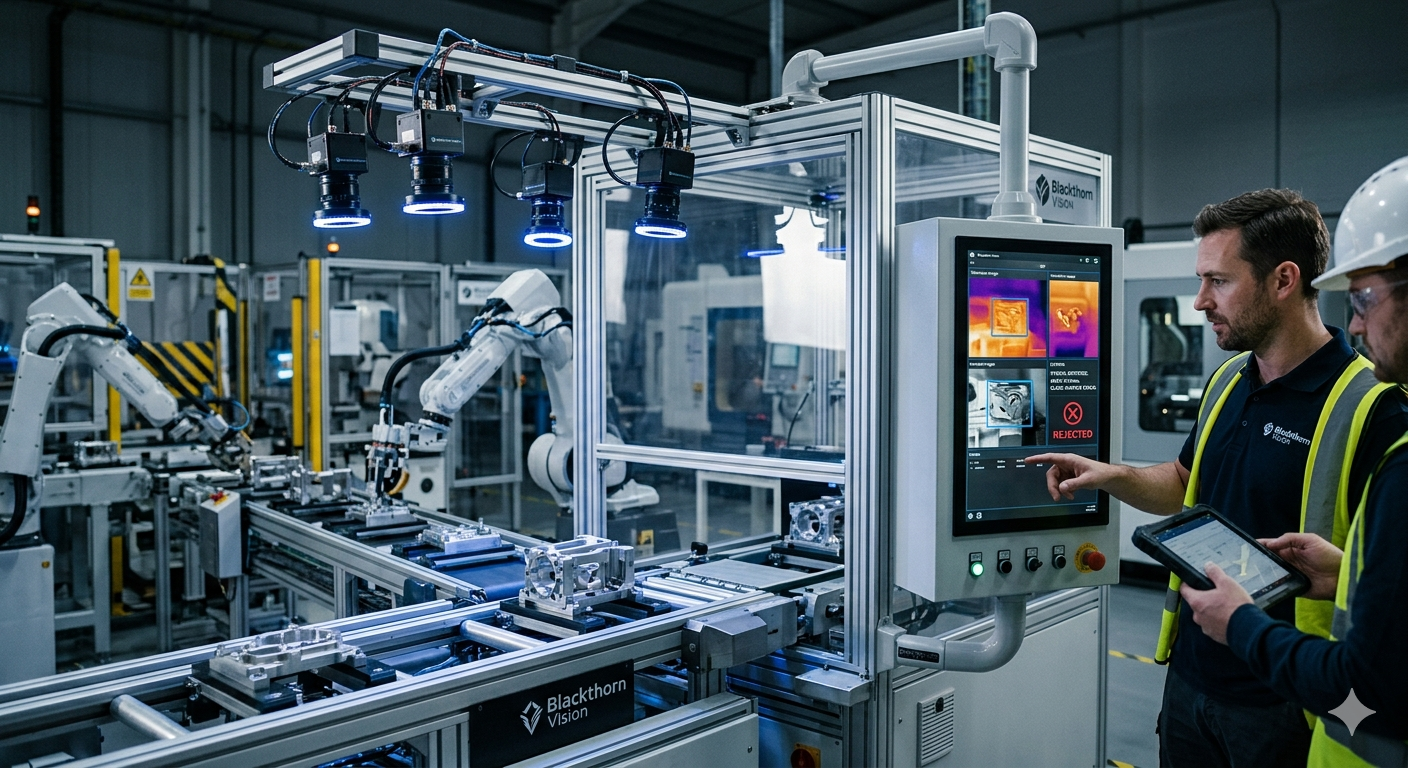
Choosing the Right Computer Vision Development Company for Your Project
From computer vision consulting to full-scale software development, learn how modern vision systems automate defect detection and optimize operations across healthcare, retail, and manufacturing. -
 March 16, 2026Read in 12 min.
AI in data governance: Everything technology leaders need to know
Master Data Governance for AI. Learn how to manage data drift, bias mitigation, and active metadata using NIST standards. Expert guide on MLOps, RAG security, and EU AI Act compliance for 2026. -
 March 16, 2026Read in 16 min.
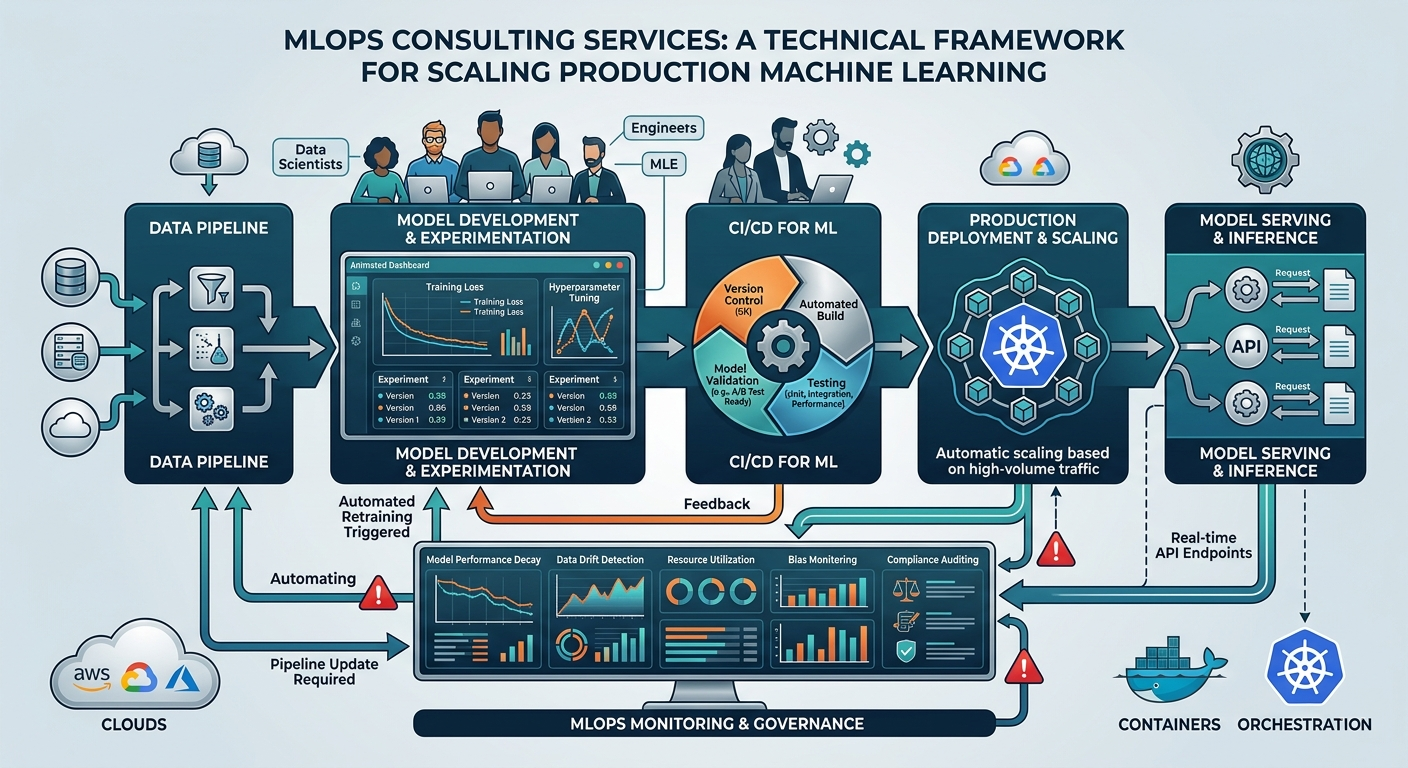
MLOps consulting services: A technical framework for scaling production machine learning
Operationalize ML with expert MLOps consulting. We bridge the gap between Data Science and DevOps using CI/CD/CT pipelines, automated drift detection, and feature stores to reduce Time-to-Value and technical debt. -
 March 12, 2026Read in 12 min.
Choosing your generative AI development company
Compare the best generative AI companies for your enterprise. From custom LLMs to agentic workflows, discover the top partners driving innovation and ROI in the AI-first era. -
 March 6, 2026Read in 15 min.
PyTorch vs TensorFlow: What’s the difference and which one wins
Stop choosing between research and production. Learn how Keras 3 and multi-backend architectures are unifying the AI ecosystem. A professional developer’s deep dive into performance, cost, and scalability. -
 March 5, 2026Read in 15 min.
Choosing the best MVP development companies
Top-rated agencies providing bespoke MVP software development services to help startups validate ideas and scale fast -
 March 4, 2026Read in 19 min.
Top software testing companies: Leading QA partners
Leading software testing companies. Compare top QA service providers, evaluation criteria, and industry trends to find your ideal partner. -
 February 25, 2026Read in 12 min.
Top 10 Node.js Development Companies
Industry's leading Node.js development companies. Our deep-dive review covers technical maturity, cloud-native expertise, and architectural standards to help you find the perfect software partner. -
 February 23, 2026Read in 16 min.
Top 10 mobile application development companies: Selection & industry leaders
Top 10 mobile application development companies for your next project. Compare top-rated mobile app developers, explore custom app development company profiles, and learn the secrets to a successful technical partnership. -
 February 23, 2026Read in 12 min.
How to choose the best Android app development agency: Rankings & selection criteria
Compare the leading Android development companies. Our guide highlights the top 10 firms for enterprise architecture, security, and custom app engineering. -
 February 19, 2026Read in 18 min.
IT Managed Service Providers (MSPs): Why does your business need one?
Stop guessing. Compare the 10 leading IT Managed Service Providers (MSPs) for any-sized companies. Find proven security, cloud, and 24/7 support. View the comparison! -
 February 19, 2026Read in 45 min.
Top 30 software development companies: Categories, red flags, and the selection strategy
We’ve analyzed the top 30 software development companies based on expertise, client results, and innovation. Find your ideal match here! -
 February 11, 2026Read in 18 min.
Top 10 Cloud migration companies: Strategic architecture of cloud migration
Compare the top 10 cloud migration companies based on architectural depth, FinOps integration, and modernization capabilities. Expert insights into AWS, Azure, and GCP transformation strategies for enterprise leaders. -
 February 10, 2026Read in 12 min.
Top 10 Flutter development companies: Entities, ecosystems, and strategic selection
Compare the world’s leading Flutter agencies. Our expert analysis covers the top 10 firms, evaluating their mastery of Dart, Skia performance, and Clean Architecture. -
 February 6, 2026Read in 12 min.
Top 10 React development companies: Architecting high-performance digital products
Top-rated React development companies for your next project. Our expert guide analyzes the best React JS web development agencies on performance, scalability, and tech standards -
 February 3, 2026Read in 24 min.
Web application development companies: How to choose the right partner
Find the right web app development company. Explore services, technologies, engagement models, and 10 expert tips for choosing your strategic development partner. -
 February 3, 2026Read in 11 min.
Top 10 Python Development Companies
Looking for a top Python development company? Compare the industry's leading Python software development agencies. Get insights on pricing, expertise, and how to hire a Python development firm that scales your business. -
 January 27, 2026Read in 15 min.
Top cloud application development companies you should follow
Best Cloud Application Development companies for your project. Compare expertise in AWS, Azure, & GCP. See client reviews, specialization, and costs for top Cloud-Native firms -
 January 23, 2026Read in 21 min.
Dedicated development team model: Definition, benefits, and nuances
Scale your product fast with a Dedicated Development Team. Compare DDT vs. outsourcing, analyze costs, and get a management blueprint for success. -
 January 21, 2026Read in 15 min.
Best energy software development companies to partnership
Top 10 energy sector software development leaders. Learn how to choose the right partner for your renewable energy software project. -
 January 19, 2026Read in 8 min.
The Low-Code Revolution in Oil & Gas: Accelerating Digital Transformation
From real-time well monitoring to automated safety permits - see how low-code applications drive operational efficiency and ESG compliance in the energy sector’s volatile market. -
 January 19, 2026Read in 15 min.
Top 10 desktop application development companies to watch
Compare the world’s best desktop development firms. From legacy modernization to high-performance C++ and cross-platform Electron apps, find your perfect vendor here. -
 December 24, 2025Read in 10 min.
Software development company in Florida: What we do, how we work, and where we add value
Florida's premier custom software partner for enterprise-grade applications. We specialize in fintech, healthcare, and scalable cloud systems. Innovate with Florida experts. -
 December 9, 2025Read in 10 min.
Custom software development for San Diego businesses
Find out about the demands of software development in San Diego and how local companies are adapting to technology needs. -
 December 9, 2025Read in 9 min.
Specifics and perspectives of custom software development in Los Angeles
Find out why choosing a custom software development company in Los Angeles is essential for evolving industries like fintech and healthcare. -
 December 6, 2025Read in 8 min.
Software development in San Francisco: Custom solutions for Area
Find out how software development in San Francisco sets standards in technology and customer satisfaction. -
 November 28, 2025Read in 14 min.
Custom software development in Houston: State and perspectives
Partner with a leading custom software development company in Houston to harness the power of technology for your growth. -
 November 28, 2025Read in 12 min.
Custom software development Dallas businesses need
Find out how a custom software development company in Dallas can elevate your business in a booming tech landscape filled with opportunities. -
 November 27, 2025Read in 11 min.
Software development services in Austin
Find out how a custom software development company in Austin can elevate your business in a booming tech landscape filled with opportunities. -
 November 12, 2025Read in 34 min.
Top FinTech software development companies: The core of modern finance
Compare the top-rated FinTech software developers based on expertise in AI, Blockchain, and compliance. Choose your perfect partner now! -
 November 4, 2025Read in 12 min.
AI in biotech: Application, specifics, and challenges
How AI and Machine Learning are transforming biotechnology, accelerating drug discovery, genome sequencing, and personalized medicine. Learn the applications, challenges, and future. -
 October 28, 2025Read in 20 min.
The best AI development companies in the US and Europe
The definitive guide to hiring the best AI company. See our ranking by MLOps maturity, GenAI expertise, and verified client ROI. Get transparent costs and a partnership blueprint -
 October 20, 2025Read in 16 min.
How to hire the best ReactJS developers in a constantly growing market
Hire the top ReactJS developers. Get pre-vetted, senior React & Next.js engineers matched to your project in 48 hours. Start risk-free -
 October 16, 2025Read in 25 min.
Top 10 chatbot development companies
Leading chatbot development companies. Our expert guide helps you choose the best firm for AI chatbot solutions, custom development, and seamless integration -
 October 9, 2025Read in 12 min.
Top biotech software companies: Choosing the right tech partner for life-changing innovations
Leading biotech software companies impacting drug discovery, R&D, and lab operations. See how their innovative platforms are speeding up scientific breakthroughs. -
 September 30, 2025Read in 16 min.
All you need to know about custom software development for small business
Stop wasting time on workarounds! Discover how custom software development empowers your small business with tailored workflows, maximum efficiency, and predictable ROI. -
 September 4, 2025Read in 14 min.
Top 10 leading application modernization companies
Top 10 application modernization companies that can transform your business with cloud, AI, and microservices for agility and growth -
 August 28, 2025Read in 14 min.
Develop once, run everywhere: .NET Core cross-platform development
Struggling with multi-OS development? Discover how .NET empowers you to build versatile, high-performance applications that run seamlessly across Windows, macOS, and Linux with ease. -
 August 21, 2025Read in 14 min.
Why offshore .NET development is the best choice for your business
Struggling with talent shortages or escalating development costs? Explores how embracing offshore .NET development can be the strategic advantage your business needs to build innovative solutions faster and more cost-effectively. -
 August 18, 2025Read in 14 min.
.NET vs Java: Comparison, use cases, pros and cons
Unsure whether to use .NET or Java? This guide breaks down their strengths, weaknesses, and ideal applications to help you pick the best technology. -
 August 11, 2025Read in 18 min.
Top 10 Angular development companies to keep an eye on
Leading Angular development companies. Expert Angular developers offering top-tier web application development, consulting, and solutions for your next project. -
 August 7, 2025Read in 15 min.
Hire Angular developers: What you need to know
Need hire Angular developers? Get access to skilled, dedicated Angular teams for your web projects. We provide expert Angular solutions with flexible engagement models. Contact us today! -
 August 1, 2025Read in 9 min.
Why choose Angular for web development
Why Angular is a leading choice for web development. Learn about its powerful features, scalability, and benefits for building robust, high-performance applications. -
 August 1, 2025Read in 12 min.
Hiring .NET developers: Step-by-step guide
Frustrated with the challenges of hiring skilled .NET developers? This article provides a proven framework to help you find, vet, and hire the right talent for your team, avoiding common recruiting mistakes. -
 February 13, 2025Read in 15 min.
What is HMI development, and why is it trending now?
Human-Machine Interface (HMI) development is revolutionizing the way humans interact with machines, driving innovation across industries. -
 December 11, 2024Read in 10 min.
Python vs Java: Key differences, pros, and cons for developers
Key differences between Python and Java, including syntax, performance, and use cases. Find out which language suits your project best -
 October 10, 2024Read in 11 min.
The future of web development: WordPress vs React.js?
Confused between WordPress or React.js? Explore our detailed comparison to find out which platform suits your needs best -
 August 8, 2024Read in 14 min.
AD and Azure AD: What is the difference, and which is better for you?
Differences between Azure Active Directory (AAD) and traditional Active Directory (AD) in this comprehensive comparison. -
 August 5, 2024Read in 15 min.
ESG software development services: Effective ESG software solutions
Innovative ESG software solutions can help your business achieve its sustainability goals. Develop customized software that enhances environmental, social, and governance (ESG) performance, ensuring compliance and driving positive impact -
 July 31, 2024Read in 7 min.
Benefits of Azure Active Directory
Key benefits of Azure Active Directory(AD), including enhanced security, simplified management, and cost savings for your business -
 April 22, 2024Read in 12 min.
Software modernization: What is it & why it matters
Discover the essence of software modernization and its pivotal role in contemporary software development. Uncover why it's crucial. -
 April 22, 2024Read in 20 min.
Legacy app modernization: A comprehensive guide
Revitalize your business with our guide on legacy application modernization. Transform your legacy systems to make them more efficient and innovative. -
 April 22, 2024Read in 16 min.
Digital product design: What is it and why you need it
Unlock innovation with expert digital product design insights. Explore the latest trends and strategies for creating exceptional user experiences. -
 April 21, 2024Read in 11 min.
Healthcare product design: Tips for app development success
Explore the art of healthcare product design in our latest blog post. Discover how innovative design principles are shaping the future of medical solutions -
 April 18, 2024Read in 9 min.
Azure app modernization: Benefits of migrating to Microsoft
Key benefits of Azure app modernization and how migrating to Microsoft can enhance performance, scalability, and compliance -
 March 11, 2024Read in 12 min.
How to choose asset management software for oil and gas in 2026
Explore more ways to optimize operations and streamline processes in oil and gas. Follow our tips to choose the best-fit assent management software in 2026 -
 March 11, 2024Read in 13 min.
AI software development for oil and gas: A comprehensive guide
Explore the transformative power of artificial intelligence software development for oil and gas and the practices of global industry leaders in our blog. -
 March 11, 2024Read in 19 min.
Cloud application modernization: How to improve your app
Cloud application modernization makes app more competitive and business more profitable. The key strategies, tips, and its benefits — in this article! -
 March 11, 2024Read in 12 min.
Enterprise application modernization: Revolutionize your business
Future-proof your business with our guide to enterprise app modernization. Learn strategic approaches, key technologies, and best practices for legacy system transformation and enhanced agility -
 March 11, 2024Read in 12 min.
LIMS integration: Benefits & how it works
Can LIMS integration be called a CRM for laboratories? What to keep in mind during LIMS software development and integration? Find out more in our article. -
 March 11, 2024Read in 11 min.
Active directory integration: What is it & how to do it effectively
Discover seamless Active Directory integration strategies in our latest blog post. Optimize user management with the Blackthorn Vision team! -
 March 5, 2024Read in 15 min.
Mobile app UX design: Basics that will improve user experience
Mobile app UX design differs from the web. Explore these differences, the process, and the main pitfalls with our experts in this article. -
 March 5, 2024Read in 11 min.
HIPAA compliance checklist for healthcare software development 2026
Check the updated HIPAA security guidelines to ensure the safety and privacy of patients' data, it is important to adhere it when creating applications -
 March 5, 2024Read in 9 min.
How to use business process automation to improve oil and gas production
Discover how business process automation can help optimize oil and gas production and improve your bottom line. -
 March 3, 2024Read in 14 min.
Desktop to web migration: everything you need to know
Planning a desktop to web migration? Get essential insights on strategy, technical challenges, approaches, and how to successfully modernize your legacy application. -
 March 3, 2024Read in 11 min.
The process of application migration to the cloud: stages, approaches, and tools
Find out how to effectively migrate your legacy system and data to the cloud without disrupting your business processes. -
 March 3, 2024Read in 16 min.
Benefits of outsourcing software development
Key advantages of outsourcing software development for businesses. Learn how outsourcing can reduce costs, increase efficiency, and provide access to specialized expertise -
 March 3, 2024Read in 13 min.
Boosting cloud security in healthcare with Azure Cloud Services
Explore the most common challenges in the cloud security of healthcare organizations and discover our tips on eliminating them efficiently. -
 March 3, 2024Read in 19 min.
Healthcare app design: how to create a great user experience
Struggling with medical app UX? Get insights into user-centered design, crucial security measures, and future trends to create impactful healthcare applications. -
 March 3, 2024Read in 16 min.
MVP vs. prototype in startup software development: what’s the difference?
Crucial differences between MVP and Prototype in startup software development. Learn how Blackthorn Vision leverages both to build successful products, reduce risk, and accelerate your time-to-market -
 March 3, 2024Read in 12 min.
How to build a custom EHR solution: tips for decision makers
We can augment your talent pool with dedicated developers proficient in healthcare business automation. Check the success stories from our clients. -
 March 3, 2024Read in 7 min.
What is software as a medical device and why it matters for the healthcare industry
From developing SaMD and SiMD to building efficient EHR systems, we unleash the value of business process automation for healthcare providers. -
 March 3, 2024Read in 6 min.
An overview of medical biotechnology in 2026 and beyond
We offer a full cycle of software development for leading biotech companies - from idea visualization to building an MVP and fully-fledged product. -
 March 3, 2024Read in 9 min.
Smart farming: agricultural technology of the future
We have expertise in data analytics, AI, and Machine Learning to build game-changing software tailored for your agricultural business. -
 March 3, 2024Read in 7 min.
BV people: a talk with Head of HR and recruitment in Blackthorn Vision
BV people: a talk with the Head of HR and Recruitment on candidate selection, the company's ideals, and the current state of the Ukrainian IT industry. -
 March 3, 2024Read in 9 min.
What is robotic process automation and how it changes the travel and hospitality industry
How does RPA work and, most importantly, how to utilize it in your travel and hospitality business? Find out in our new article now. -
 March 3, 2024Read in 12 min.
An overview of agricultural biotechnology in 2026
We cooperated with agricultural biotechnology industry leaders to design software that helps scientists and farmers automate and optimize all processes. -
 March 3, 2024Read in 10 min.
Everything you need to know about Microsoft Azure: benefits, use cases, applications
Microsoft Azure is a leading cloud service provider that offers numerous opportunities for businesses to optimize and secure their operations and services. -
 March 3, 2024Read in 10 min.
Smart manufacturing technology and trends for 2026 and beyond
Stay updated on the latest manufacturing technology trends, that drives innovation, efficiency, and growth in the industry to boost your project. -
 March 3, 2024Read in 8 min.
How to choose and manage your dedicated development team
While there are many benefits of working with dedicated software development teams, it’s not a universal solution. Discover why it is so. -
 March 3, 2024Read in 8 min.
What is the best cloud deployment model? Types of cloud computing that will benefit your business
With the guidance of our post, you can better understand various cloud computing deployment strategies. Examine cloud solutions for your company's needs. -
 March 3, 2024Read in 10 min.
Offshore vs. Nearshore outsourcing: what’s best for your business?
What is the difference between the three outsourcing types, and which one is better for your business? Please read our article to find out! -
 March 3, 2024Read in 14 min.
How to develop a medical app for doctors: everything you need to know
The mobile health industry is one of the most rapidly growing segments worldwide. Learn more about the mHealth industry in our new article. -
 March 3, 2024Read in 14 min.
Business analyst: a leading player in your software development team
Your guide to the Business Analyst's vital role in software development teams, including Agile practices, key responsibilities, techniques, and delivering real business value. -
 March 3, 2024Read in 9 min.
Hyperautomation – the future of business processes
Now business processes - Hyperautomation are increasingly not following stable and predictable scenarios. It creates a need for a new type of automation. -
 March 3, 2024Read in 6 min.
The future of Oil and Gas: industry trends and software solutions
Keep up to date on the most recent oil and gas the industry trends, which are driving modifications in technology, sustainability, and energy exploration. -
 March 3, 2024Read in 6 min.
What is an MVP, and why is it necessary? Minimum viable product examples
Even if you have just a basic vision of what your app should do, we will develop a presentable product that you can pitch to investors. -
 March 3, 2024Read in 14 min.
Top 5 soft skills to work in it successfully and resources to develop them
Are soft skills the new hard skills? Can you make a successful career in IT if you are not an effective communicator or lack creativity? -
 March 3, 2024Read in 15 min.
Main reasons to hire software developers in Ukraine
Considering software development outsourcing in Ukraine? Strategic benefits – from accessing global talent and cutting costs to accelerating time-to-market. Understand key risks & how to build successful, secure partnerships -
 March 3, 2024Read in 5 min.
Mobile app development: Xamarin.Forms — a cross-platform solution that responds to modern challenges
When it comes to mobile development, there is a wide variety of solutions. Xamarin.Forms is a cross-platform solution that responds to modern challenges. -
 February 27, 2024Read in 8 min.
Top 10 programming languages of the future for web and mobile app development
Let’s have a look at the most popular programming languages that may become your business workhorse. -
 February 6, 2024Read in 16 min.
Pharmaceutical software development: Unleashing pharma innovation
Explore the future of pharmaceutical software development: innovative solutions revolutionizing healthcare efficiency & precision.