
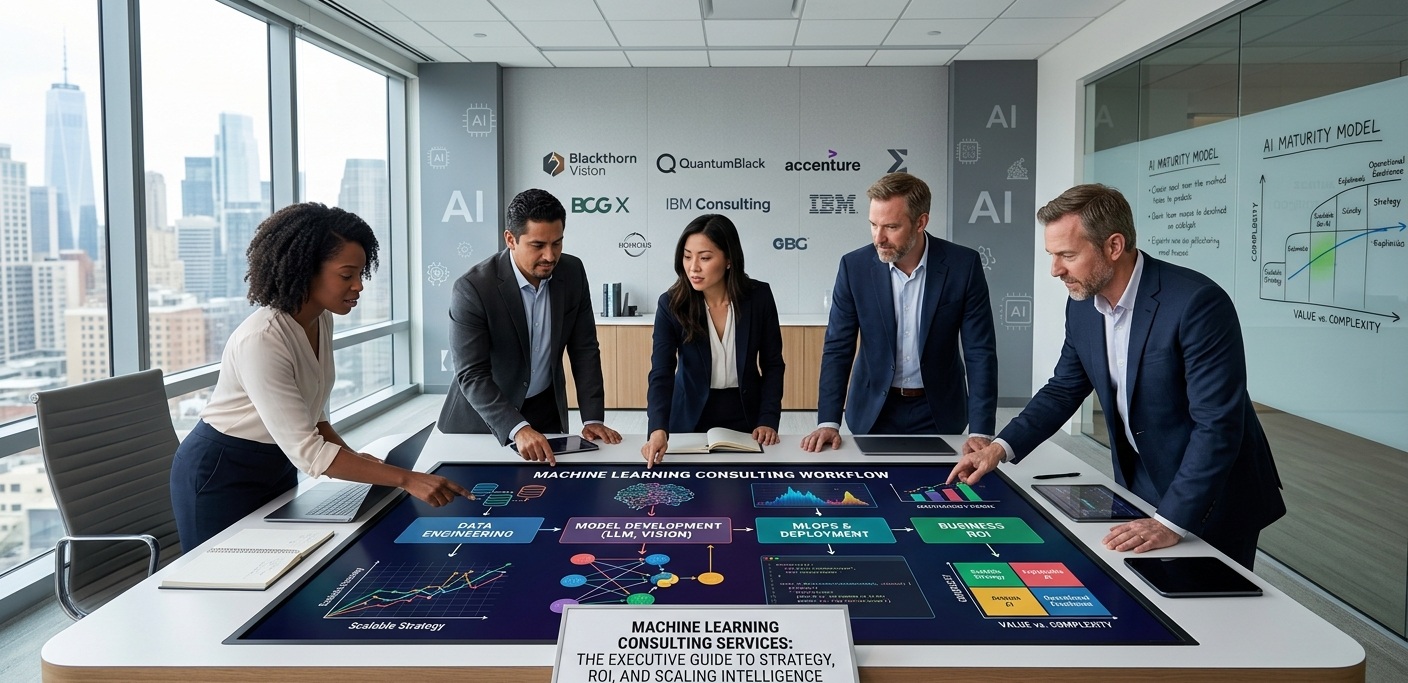
A machine learning consulting company acts as a bridge between complex data science and business objectives. Their role includes assessing an organization’s data readiness, identifying high-ROI use cases, building custom algorithms, and integrating them into existing business workflows. Unlike general IT firms, machine learning consulting firms specialize in the probabilistic nature of AI, focusing on model accuracy, data drift, and the continuous refinement of intelligence systems.
Machine Learning Consulting Services: The Executive Guide to Strategy, ROI, and Scaling Intelligence
 16 minutes read
Content
The modern enterprise is no longer questioning if it should adopt artificial intelligence, but how to do so without becoming a part of the sobering statistics. While the global machine learning market is projected to soar toward a trillion-dollar valuation within the next decade, the path to implementation is riddled with complexities. According to various industry reports, nearly 80% of AI projects fail to reach full-scale production. This high attrition rate isn’t usually due to a lack of computational power, but rather a disconnect between technical execution and business strategy.
This is precisely where machine learning consulting services become a critical asset. For many organizations, particularly in the competitive USA market, building an in-house team from scratch is an expensive, multi-year endeavor. A specialized machine learning consulting company provides immediate access to high-level expertise that would otherwise take months to recruit. These consultants bring a “battle-tested” perspective, having seen what works and what fails across multiple industries. By partnering with experienced machine learning consultants, businesses can bypass common architectural pitfalls, optimize their R&D spend, and significantly reduce the “time-to-value” for their data initiatives.
Beyond mere technical implementation, AI and machine learning consulting services serve as a strategic bridge. It aligns complex algorithmic capabilities with specific Key Performance Indicators (KPIs). Whether it is reducing churn, automating document processing, or predicting supply chain disruptions, consultants ensure that the technology serves the business, not the other way around. In an era where “AI-washing” is prevalent, professional guidance helps separate genuine transformative opportunities from expensive technical experiments.
The Full Spectrum of Machine Learning Consulting Services
A truly comprehensive machine learning consulting service is far more than just writing code or tuning hyperparameters; it is a holistic lifecycle management process. The journey typically begins with Strategic Advisory and Discovery. At this stage, machine learning consulting firms conduct “AI Readiness Assessments” to evaluate an organization’s data maturity, infrastructure, and cultural openness to automation. They help prioritize use cases based on a matrix of feasibility versus business impact, ensuring the first project is a “win” that builds internal momentum.
The second pillar involves Data Engineering and Infrastructure. You cannot have high-performing ML without high-quality data. Consultants spend a significant portion of their engagement building robust data pipelines, implementing ETL (Extract, Transform, Load) processes, and ensuring data governance. In the United States, where data privacy regulations and security are paramount, consultants often architect these systems on cloud-native platforms like AWS, Google Cloud, or Azure, ensuring they are both scalable and compliant.
Finally, the core of the machine learning consulting business lies in Custom Model Development and MLOps. This ranges from traditional predictive modeling to the cutting-edge deployment of Large Language Models (LLMs). However, the work doesn’t end when the model is built. Modern machine learning consulting companies emphasize MLOps – the practice of automating the deployment, monitoring, and retraining of models. Statistics show that models can lose up to 20% of their accuracy within the first few months due to “data drift.” MLOps ensures that the machine learning solution remains an asset rather than a liability by providing continuous monitoring and performance tuning in real-time production environments.
Top Machine Learning Consulting Companies: Global Leaders and Strategic Partners
1. Blackthorn Vision
Blackthorn Vision has carved out a reputation as a high-end technical partner for companies that require deep engineering expertise alongside their ML initiatives. Specializing in the USA market, they are known for an “embedded team” approach, where their machine learning consultants integrate seamlessly with a client’s internal workforce as part of our AI consulting services. Their core strength lies in bridging the gap between legacy .NET ecosystems and modern AI, making them a top choice for application modernization that requires a layer of predictive intelligence. They focus heavily on the reliability and scalability of models, ensuring that ML is not just a research project but a stable, value-driving part of the enterprise software stack.

2. QuantumBlack
QuantumBlack is the specialized AI arm of McKinsey & Company, and it represents the gold standard for high-stakes machine learning consulting. Originally born in the world of Formula 1 racing – where milliseconds of data make the difference between winning and losing – QuantumBlack applies that same “hybrid intelligence” to the corporate world. They are unique in their ability to combine McKinsey’s world-class management strategy with elite data science. They don’t just build models; they reinvent entire organizational operating models around AI, focusing on sustainable, long-term growth and large-scale digital transformations.
3. Accenture
As one of the world’s largest machine learning consulting firms, Accenture Applied Intelligence offers unparalleled scale. Their “Applied Intelligence” framework is designed to help organizations move from fragmented data experiments to a unified, data-native strategy. They excel in the operationalization of AI (MLOps) and have a massive library of pre-built, industry-specific assets that accelerate deployment. For a global enterprise, Accenture provides the security and global reach necessary to implement AI across dozens of different business units and geographies simultaneously.

4. BCG X
BCG X is the tech build and design unit of Boston Consulting Group. What sets them apart is their focus on “Venture and Business Builds.” While many machine learning consulting services focus on optimizing existing processes, BCG X often works with clients to build entirely new AI-driven products or standalone companies. With nearly 3,000 technologists and designers, they specialize in creating end-to-end customer journeys and large-scale digital platforms. They are the ideal choice for companies looking to disrupt their own industry through “game-changing” AI innovation.
5. IBM Consulting
Leveraging the power of the watsonx platform, IBM Consulting is a titan in the AI machine learning consulting space. Their expertise is deeply rooted in enterprise-grade AI that prioritizes trust, transparency, and ethics. They are currently leading the way in “Agentic AI” and Generative AI for the enterprise, helping clients build autonomous agents that can reason and execute workflows. IBM is particularly strong in heavily regulated industries like banking and healthcare, where their focus on data governance and “Explainable AI” is a mandatory requirement.

6. Deloitte AI & Data
Deloitte’s AI & Data practice is built on the philosophy that an AI journey must start and end with strategic business goals. They provide a comprehensive, end-to-end framework – from AI strategy and data modernization to the deployment of specialized digital workers (such as their Zora AI™ agents). Deloitte is highly regarded for its “Trustworthy AI” framework, which helps organizations navigate the ethical and regulatory risks of machine learning. Their deep domain insights in supply chain and procurement make them a preferred partner for complex industrial ML projects.
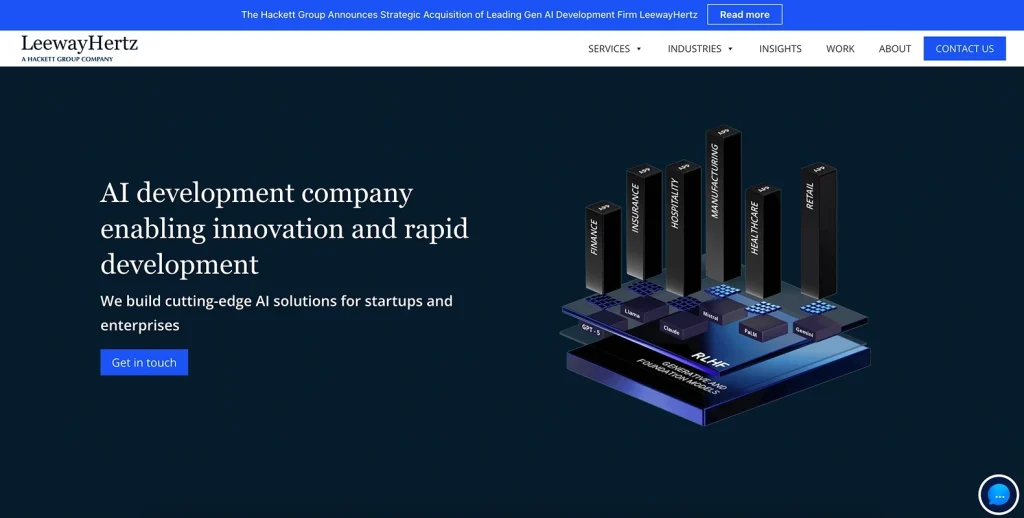
7. LeewayHertz
LeewayHertz is a boutique machine learning consulting company that has gained significant traction by being an early mover in the Generative AI and LLM space. They offer a highly specialized service called ZBrain, an enterprise-grade GenAI platform that allows businesses to build custom AI agents on their own data. They are known for being exceptionally agile, often moving from a Proof of Concept to a production-ready system faster than larger consultancies. Their portfolio is diverse, spanning healthcare, finance, and logistics, with a strong emphasis on “human-centric” AI design.
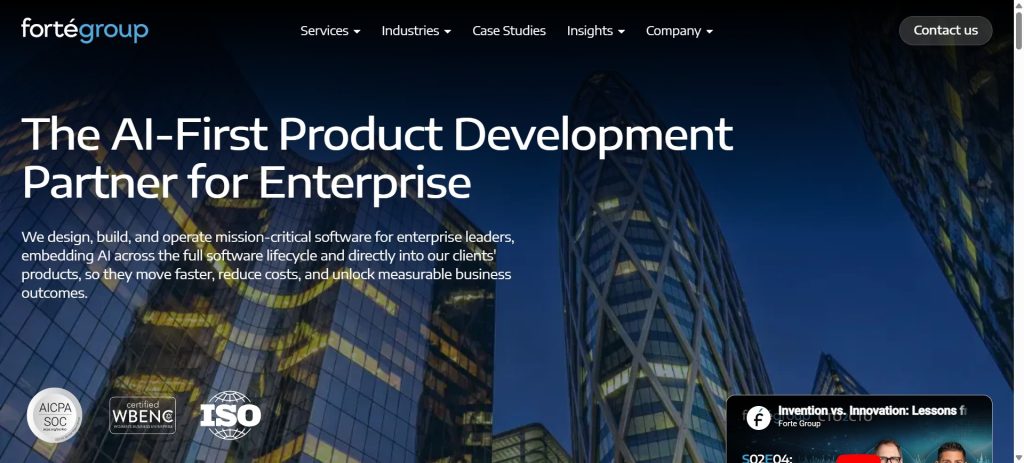
8. Forte Group
Headquartered in the USA, Forte Group is a standout choice for CTOs who view machine learning as a production engineering discipline rather than a research exercise. They are particularly strong in the Microsoft ecosystem, utilizing tools like Microsoft Fabric, Databricks, and Azure to build ML workloads directly within a client’s existing data estate. Forte Group is often praised for its “engineering-first” mindset, ensuring that the machine learning models they build are easy to maintain, monitor, and scale without incurring massive technical debt.
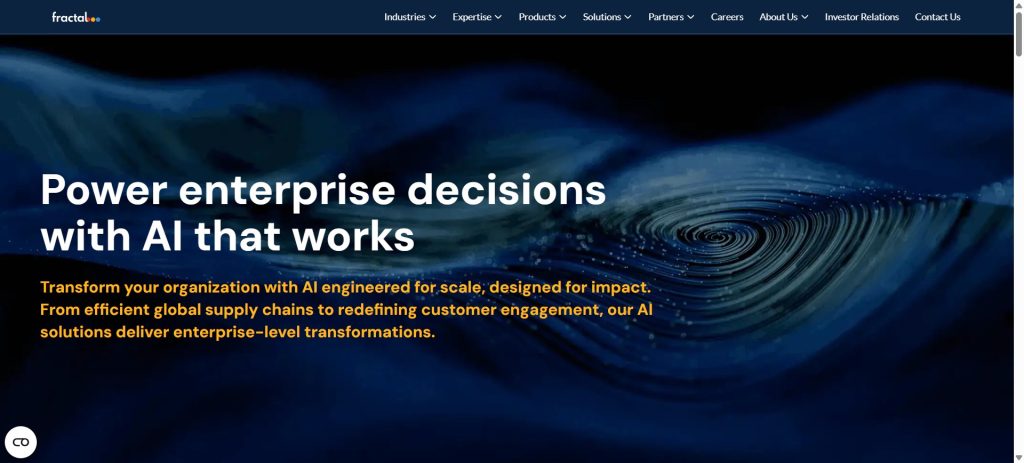
9. Fractal Analytics
Fractal Analytics is a global leader that treats AI as a way to “power every human decision in the enterprise.” They have a unique approach that blends data science with behavioral science, ensuring that the insights generated by their ML models actually lead to changes in human behavior. With over 5,000 employees, they provide specialized conversational AI solutions and have a dedicated lab (Fractal Alpha) for high-risk, high-reward AI experimentation. They are a “Pure Play” analytics firm, meaning their entire business is built around data and intelligence.
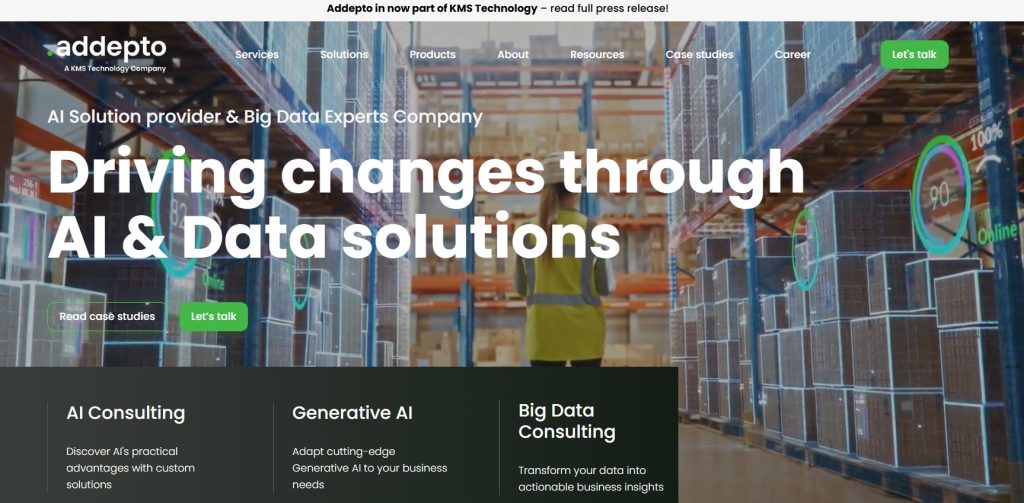
10. Addepto
Addepto is a specialized machine learning consulting business known for its highly customized, PhD-level approach to data science. They cater to both Fortune 500 companies and ambitious mid-sized businesses, offering bespoke models for complex challenges like predictive maintenance and computer vision. Addepto distinguishes itself by its commitment to measurable ROI; they don’t just deliver a model – they deliver a business outcome. Their ability to integrate disparate data sources into a unified AI-ready platform makes them an excellent choice for companies in the early-to-mid stages of their data maturity journey.
Industry-Specific Use Cases: Delivering Tangible ROI
The value of machine learning consulting is most visible when applied to vertical-specific challenges. In the FinTech sector, for instance, ML has moved beyond simple fraud detection. Consultants are now building sophisticated real-time risk assessment engines that analyze thousands of variables in milliseconds to approve loans or detect money laundering. Reports indicate that ML-driven fraud systems can reduce false positives by up to 60%, saving financial institutions millions in operational overhead and improving customer experience.
In Healthcare, the impact is life-altering. Machine learning consulting firms are working with providers to develop predictive diagnostics and personalized treatment plans. By analyzing vast datasets of medical imagery and electronic health records, ML models can now identify patterns in oncology or cardiology months before they become visible to the naked eye. In a market as large as the USA, where healthcare efficiency is a constant focus, these services help optimize hospital resource allocation and patient flow, directly impacting both the quality of care and the bottom line.
Retail and Logistics represent another frontier for machine learning consulting services. From hyper-personalized recommendation engines that increase “Add to Cart” rates by 15-30% to supply chain models that predict weather-related disruptions, the applications are endless. In manufacturing, “Predictive Maintenance” is the gold standard; by using sensor data to predict when a machine will fail, companies can avoid costly unplanned downtime. These real-world applications demonstrate that ML is not a luxury, but a fundamental shift in how modern industries maintain their competitive edge and operational resilience.
The Roadmap to Success: How to Choose an ML Partner
Selecting the right machine learning consulting company is perhaps the most consequential decision a leader will make in their digital transformation journey. The market is saturated with providers, but not all are created equal. The first criterion for evaluation should be Technical Depth vs. Industry Breadth. A firm might have brilliant data scientists, but if they don’t understand the regulatory nuances of your specific industry, the resulting model might be legally or operationally unusable. Prospective clients should look for a partner that speaks the language of their business, not just the language of Python and TensorFlow or PyTorch.
Another critical factor is the Portfolio Audit. Don’t just look at a list of logos; ask for deep-dive case studies that highlight the “before and after” of their intervention. A reputable machine learning consulting business should be able to demonstrate how they handled “messy” real-world data, how they integrated their solution into legacy systems, and what the measured ROI was after six months of production. Furthermore, transparency regarding the “Black Box” is essential. You want machine learning consultants who prioritize “Explainable AI” (XAI), ensuring your team understands why the model is making certain decisions, which is vital for both trust and regulatory compliance.
Finally, consider the Engagement Model and Post-Deployment Support. Machine learning is not a “set it and forget it” technology. Inquire whether the machine learning consulting service includes knowledge transfer to your internal team or if they offer ongoing MLOps support. The best firms operate as an extension of your team, not as a closed-off vendor. They should provide a clear roadmap for scaling the solution from a single Pilot or Proof of Concept (PoC) to an enterprise-wide rollout, ensuring that the infrastructure they build today can handle the data volumes of tomorrow.
Avoiding the Pitfalls: Why Strategy Matters More Than Code
The biggest misconception in the ai machine learning consulting space is that the most complex algorithm always wins. In reality, the simplest model that solves the problem is usually the best. Many machine learning consulting companies fail because they fall into the “Research Trap” – spending months chasing a 1% increase in accuracy that has zero impact on the actual business outcome. Successful engagements start with a “Value-First” mindset, identifying the specific bottleneck that, if solved, would yield the highest return on investment.
Another frequent point of failure is Underestimating Data Quality. It is a common adage that “garbage in equals garbage out,” yet many businesses expect machine learning consultants to perform miracles on fragmented, siloed, or poorly labeled data. A professional machine learning consulting firm will be honest about your data’s limitations from day one. They will insist on a rigorous data audit before a single line of model code is written. This candor may be uncomfortable, but it saves companies hundreds of thousands of dollars in wasted development time.
Lastly, Organizational Alignment is the “silent killer” of AI initiatives. Even the most perfect model is useless if the end-users – be they loan officers, doctors, or warehouse managers – don’t trust or understand it. Top-tier machine learning consulting services include a change management component. They work with stakeholders to ensure the ML tool integrates seamlessly into existing workflows and provide the necessary training to foster adoption. By addressing the human element alongside the technical one, consultants ensure that the machine learning solution becomes a permanent and productive part of the corporate ecosystem.
The New Frontiers of Machine Learning
AI machine learning consulting is shifting from static models to dynamic, agentic systems. We are moving past the era where AI simply “predicts” or “classifies” into an era where AI “acts.” The rise of Agentic AI – autonomous systems capable of using tools, browsing the web, and executing multi-step workflows – is currently the top priority for high-end machine learning consulting firms. For a business, this means moving from a chatbot that answers FAQs to an AI agent that can autonomously handle a supply chain disruption by re-routing shipments and notifying stakeholders without human intervention.
Another significant shift is the transition from massive, general-purpose models to Small Language Models (SLMs) and Edge AI. While the headlines are often dominated by trillion-parameter models, many machine learning consulting companies are advising their clients to invest in smaller, distilled models that can run locally on a company’s hardware or even on mobile devices. This trend is driven by three factors: cost, latency, and privacy. By utilizing techniques like quantization and knowledge distillation, machine learning consultants can deliver high-performance intelligence at a fraction of the traditional computational cost, ensuring that even mid-sized enterprises can compete with tech giants.
Finally, we are seeing the emergence of Green AI and Sustainable Modeling. As data centers consume an increasing share of the world’s electricity, machine learning consulting services are incorporating “carbon-aware” computing into their offerings. This involves optimizing model training schedules to coincide with renewable energy availability and choosing architectures that prioritize energy efficiency. In the USA, where corporate social responsibility (CSR) and ESG (Environmental, Social, and Governance) scores are increasingly tied to investment and brand value, these sustainable practices are becoming a core part of the machine learning consulting business value proposition.
The Economics of Intelligence: Pricing and Engagement Models
Understanding the financial structure of machine learning consulting is essential for realistic budgeting and project approval. Unlike traditional software development, ML involves high degrees of uncertainty, particularly during the R&D phase. Consequently, most machine learning consulting companies offer a variety of engagement models. The most common is Time & Materials (T&M), which is ideal for the discovery and experimentation phases where the final complexity isn’t yet known. This model allows for the agility required to “pivot” when data insights suggest a different direction than originally planned.
For organizations with well-defined requirements, Fixed-Price Models are often used for the “Discovery” or “Proof of Concept” (PoC) stage. This provides a predictable cost for a specific deliverable, such as a feasibility report or a baseline model. However, experienced machine learning consultants often warn against fixed-price contracts for full-scale production deployments, as the iterative nature of model tuning and MLOps can lead to “scope creep” or compromised quality. A hybrid approach – fixed price for discovery and T&M for development – is frequently cited as the most effective way to balance risk and flexibility.
More recently, we have seen the rise of Performance-Based or Milestone-Driven Models. In this scenario, a portion of the consulting fee is tied to the model hitting specific performance benchmarks, such as a targeted accuracy rate or a measurable reduction in operational costs. While attractive to the client, this requires a highly transparent relationship and clearly defined data baselines. Regardless of the model, the “Total Cost of Ownership” (TCO) must account for ongoing maintenance. A professional machine learning consulting service will always include a line item for model monitoring and retraining, as the value of an ML asset is entirely dependent on its continued relevance in a changing world.
Conclusion
The decision to engage with a machine learning consulting company is a strategic move that extends far beyond a simple IT upgrade. It is an investment in the foundational intelligence of your organization. As we have explored, the difference between a successful deployment and a costly failure often lies in the quality of the strategic roadmap, the integrity of the data pipelines, and the ability to bridge the gap between complex mathematics and everyday business operations.
For leaders, the takeaway is clear: do not treat machine learning consulting as a commodity. Instead, treat it as a partnership aimed at solving your most “wicked” problems. Whether you are looking to optimize a local logistics network or revolutionize a global financial platform, the right machine learning consultants will provide more than just code – they will provide the clarity, safety, and scalability needed to turn the promise of AI into a permanent competitive advantage.
FAQ
What exactly do machine learning consulting companies do?
Why should I hire an external machine learning consulting service instead of hiring in-house?
Hiring machine learning consultants provides immediate access to a diverse team of specialists—including data engineers, MLOps experts, and PhD-level scientists—that would be difficult and time-consuming to recruit individually. For many companies in the USA, consulting offers a faster “Time-to-Market” and lower risk. It allows you to leverage the “lessons learned” from other industries, ensuring your internal team isn’t making rookie mistakes during the initial build phase.
What is the difference between AI and machine learning consulting?
While the terms are often used interchangeably, ai machine learning consulting is technically a subset of AI consulting. AI is the broader concept of machines acting intelligently, whereas Machine Learning focuses specifically on the algorithms that learn patterns from data without being explicitly programmed. Most modern machine learning consulting companies provide both, using ML to build the “brain” of the system and broader AI techniques to handle automation, natural language processing, or computer vision.
Can a machine learning consulting firm help if our data is messy?
Yes. In fact, data cleaning and preparation are core components of any reputable machine learning consulting business. Consultants often spend 60% to 80% of a project’s timeline on data engineering—clearing silos, labeling datasets, and building pipelines. A professional consultant will perform a “Data Audit” early in the process to determine if your current data is sufficient to achieve your business goals or if additional collection strategies are required.
How long does it take to see ROI from machine learning consulting?
While initial “Quick Wins” can be identified within the first 4 to 8 weeks through discovery and pilot programs, meaningful ROI typically manifests between 6 and 12 months after a model reaches production. The timeline depends heavily on data quality and the complexity of the integration. Professional machine learning consulting services focus on iterative delivery, ensuring that incremental value is demonstrated throughout the development lifecycle rather than only at the very end.
How much do machine learning consulting services typically cost?
The cost of machine learning consulting varies significantly based on the project’s scope and the firm’s expertise. Small-scale discovery phases or Proof of Concepts (PoC) can range from $15,000 to $50,000. Full-scale enterprise deployments, which include data engineering, model training, and MLOps infrastructure, typically start at $100,000 and can exceed $500,000 for multi-year transformations. Most machine learning consultants offer flexible engagement models, including time-and-materials or milestone-based pricing.
You may also like
-
 September 28, 2026Read in 19 min.
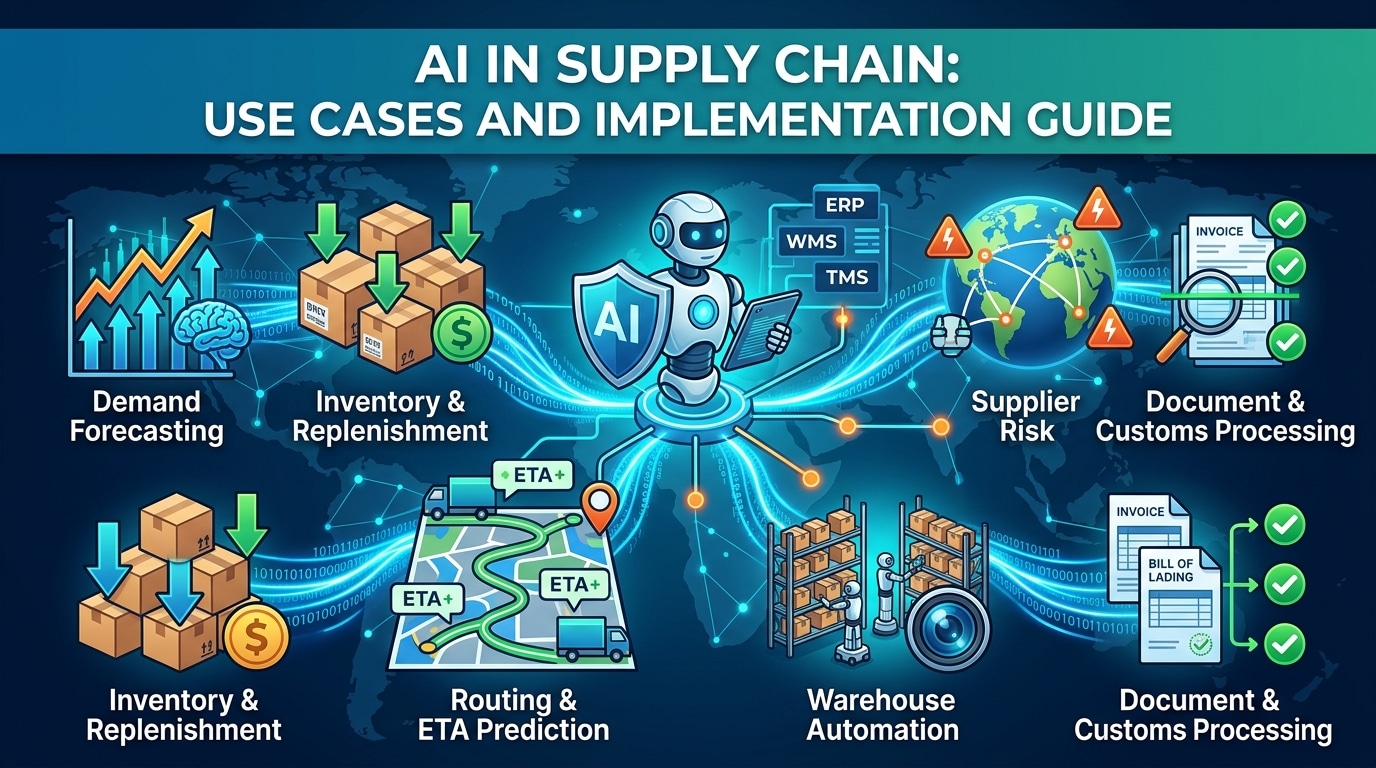
AI in supply chain: Use cases and implementation guide
What is AI in supply chain management? -
 September 21, 2026Read in 19 min.
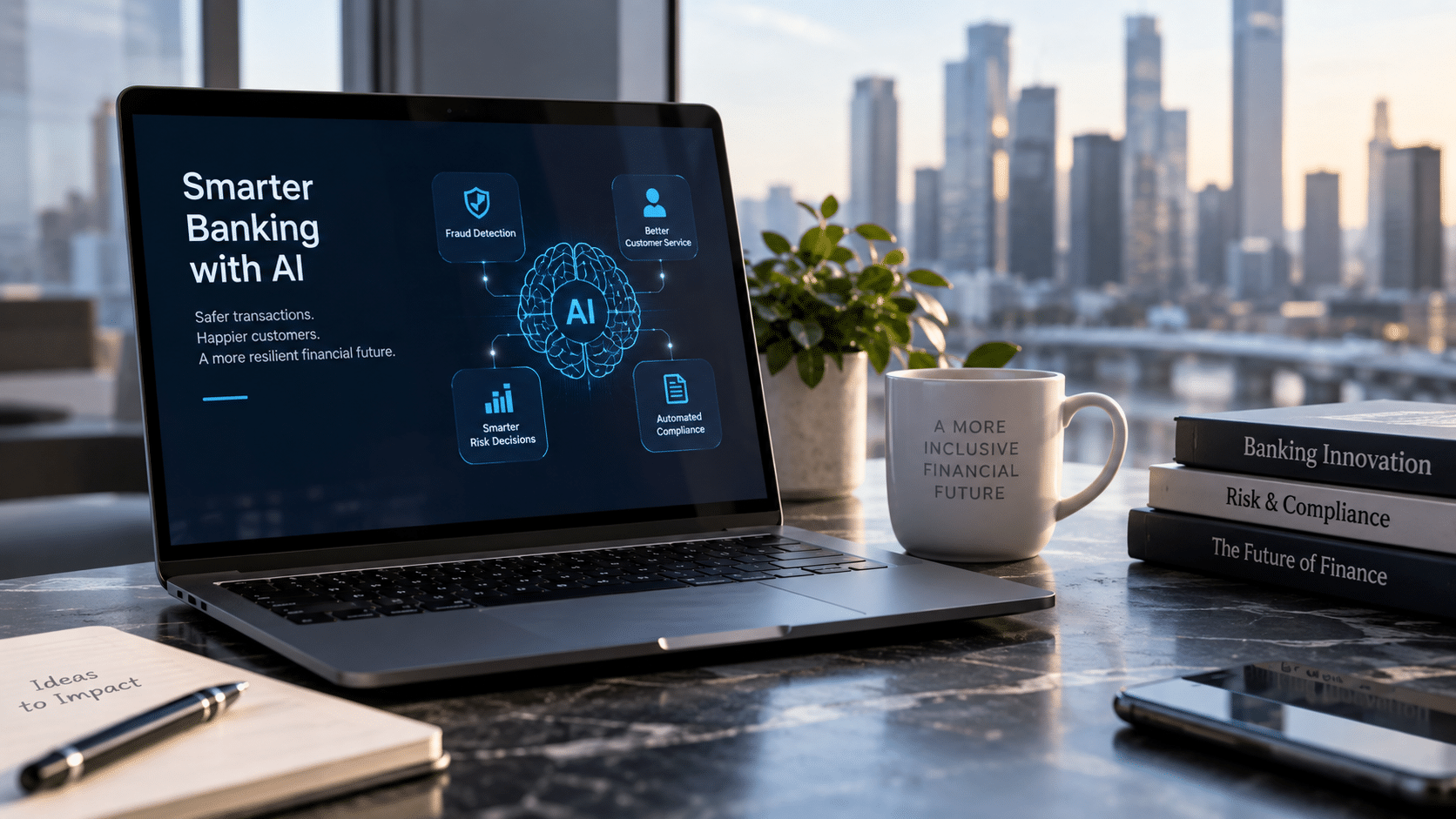
AI in banking: Use cases, explainable AI, and how to deploy it in regulated environments
AI in banking: use cases, explainable AI and governance, generative AI, ROI, and how to deploy it in a regulated environment -
 September 8, 2026Read in 16 min.
The AI-Native SDLC: From Writing Software to Orchestrating It
An AI-native SDLC cuts delivery time by about half without loosening a single quality gate. See the three eras, the toolchain and the guardrails. -
 August 19, 2026Read in 22 min.
Robotic Process Automation in healthcare: Definition, benefits, and real cases
From patient scheduling to claims processing: explore proven RPA use cases in healthcare, backed by real data, ROI benchmarks, and compliance guidance. -
 July 22, 2026Read in 21 min.
AI Use Cases: 25+ Real Enterprise Examples Across Industries
Most impactful AI use cases in business - from generative AI and agentic AI to predictive analytics. Real examples by industry with ROI data and implementation priorities. -
July 22, 2026Read in 17 min.
AI in manufacturing: How to implement, use cases and benefits
How artificial intelligence is transforming manufacturing - from predictive maintenance and quality control to supply chain optimization and digital twins. Real ROI data and implementation roadmap. -
July 21, 2026Read in 18 min.
AI in Education: How Artificial Intelligence Is Transforming Learning
How AI is used in education - from personalized learning and automated grading to AI tutors and corporate L&D. Real examples, benefits, challenges, and what's next. -
 July 16, 2026Read in 17 min.
Custom ERP software for manufacturing – Built on Azure and .NET
Off-the-shelf ERP forcing workarounds? Blackthorn Vision, a manufacturing software company, builds ERP software for manufacturing on Azure and .NET. -
June 10, 2026Read in 22 min.
Selecting elite Vue.js development company
Top Vue.js development companies vetted for Vue 3 architecture, high-performance rendering, and secure AI integration. Read our definitive guide for tech leaders. -
May 15, 2026Read in 24 min.
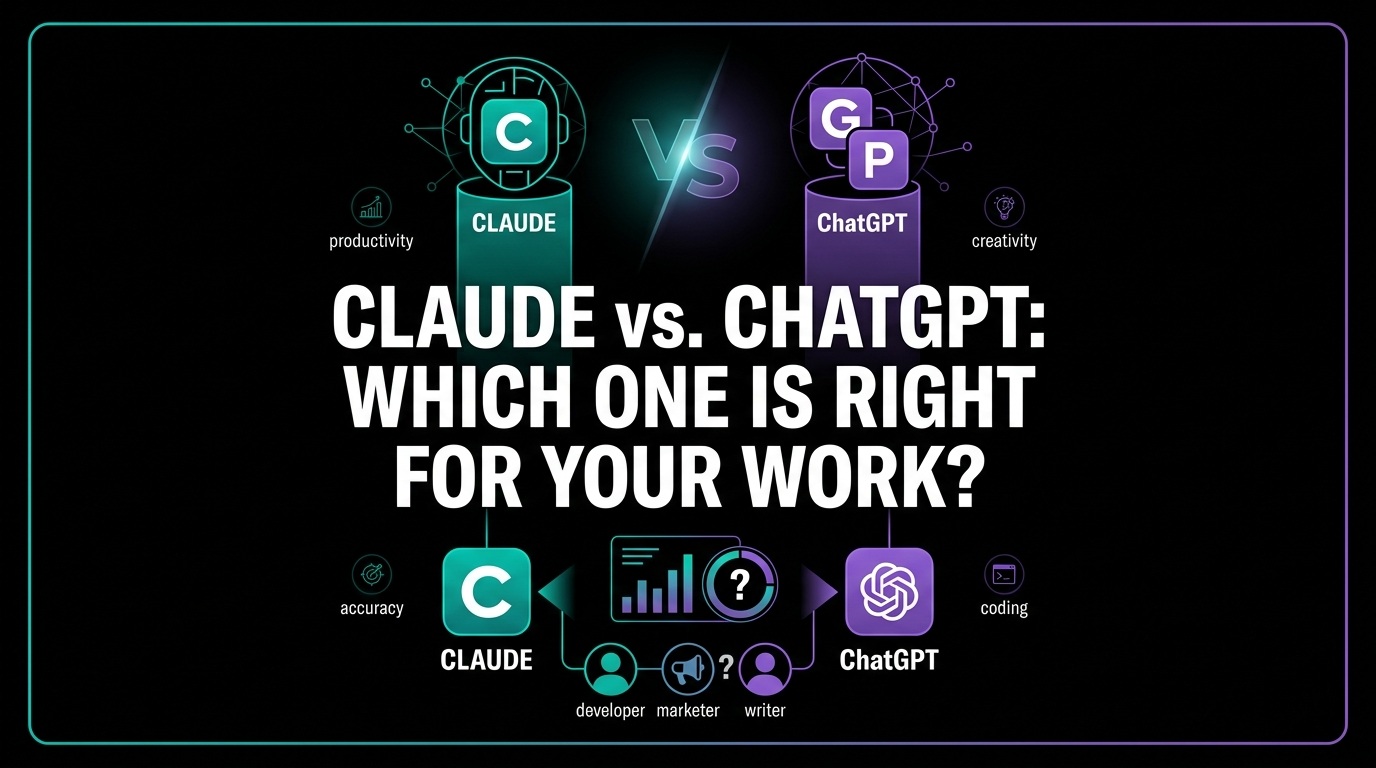
Claude vs. ChatGPT: Which one is right for your work?
Should you switch to Claude for its Artifacts or stay with ChatGPT for its Omni-Agent capabilities? A hands-on comparison of reasoning, coding, and privacy.